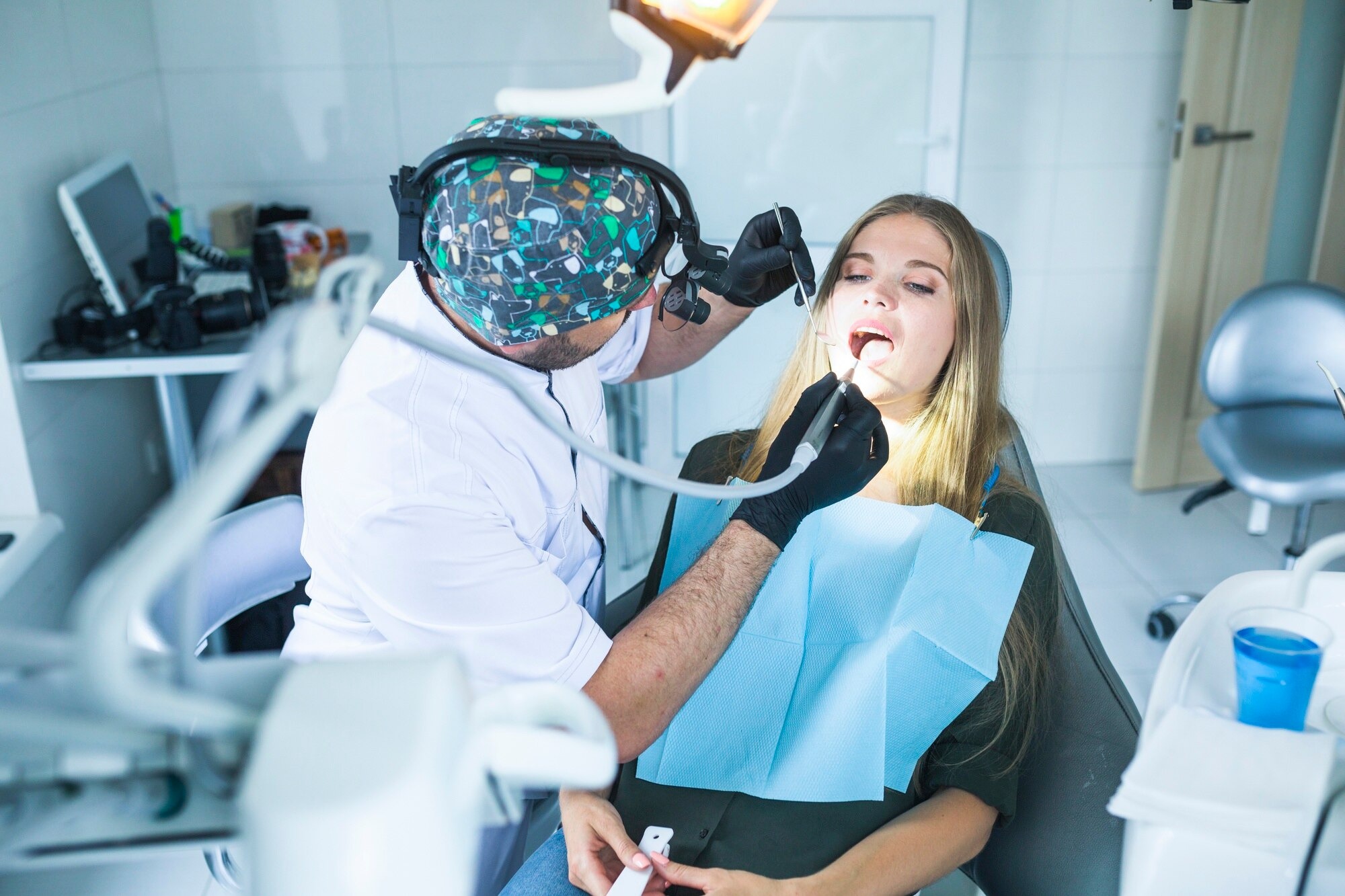
Most people notice it gradually. The teeth that once looked bright and white begin to look yellower, duller, or darker over time. Some people try whitening toothpastes and over-the-counter strips. Others simply live with it, assuming discoloration is just something that happens with age.
Nonetheless, that doesn’t mean discoloured teeth are always a cosmetic problem; sometimes they show an underlying problem and require immediate treatment. The primary step is learning how a well-renowned dental clinic in Prince Albert could help you with discoloration.
What Causes Tooth Discoloration?
Tooth discoloration comes in two main forms and they require different approaches.
Extrinsic staining sits on the outer surface of the tooth. It is caused by:
- Coffee, tea, and red wine are consumed regularly
- Dark-coloured foods like berries, tomato sauce, and soy sauce
- Tobacco use both smoking and chewing tobacco
- Poor oral hygiene that allows plaque and tartar to build up
- Certain medications that affect saliva flow
Intrinsic staining develops inside the tooth itself. It is caused by:
- Certain antibiotics taken during childhood when teeth were forming
- Excess fluoride during tooth development — called fluorosis
- Tooth trauma that causes internal bleeding and darkening
- Aging—the enamel thins naturally over time, revealing the yellower dentine beneath
- Root canal treatment in some cases
Extrinsic stains often respond well to professional whitening. Intrinsic stains are deeper and may require more advanced cosmetic dental care options.
Oral Hygiene and Tooth Discoloration—The Connection
Poor oral hygiene is one of the most common and most preventable causes of tooth discoloration.
When teeth are not brushed and flossed consistently, plaque accumulates. Plaque is a soft, sticky film of bacteria that coats the teeth. When it is not removed, it hardens into tartar—a yellow or brown deposit that clings to the tooth surface and cannot be removed by brushing alone.
Improving oral hygiene and tooth discolouration outcomes goes hand in hand. Better daily habits reduce the accumulation of surface stains but once tartar has formed, professional cleaning is the only way to remove it.
This is why regular professional cleanings are the foundation of any effective approach to dental care for discoloured teeth.
Why Over-the-Counter Products Are Not Enough
Whitening toothpastes, strips, and rinses are widely available — but their limitations are significant.
Over-the-counter products:
- Use a far lower concentration of whitening agent than in the office system
- Do not remove tartar and can not address intrinsically stained teeth
- Poor result due to poorly fitting standard trays
- May increase sensitivity without delivering meaningful whitening
- Do not address the underlying cause of discolouration
Professional treatment, by contrast, is tailored to the specific type and severity of staining and is supervised by a dental professional who can ensure the process is safe and effective.
Patients shall receive a thorough assessment of their discoloration before any treatment begins. This ensures the right approach is recommended whether that is a professional clean, in-clinic whitening, or a more advanced cosmetic solution.
Dental Care for Discoloured Teeth Professional Options That Work
There is a range of professional treatments available depending on the cause and depth of the staining.
| Treatment | Best For | What It Involves |
| Professional Cleaning | Surface Staining and Tartar | Scaling, Polishing, and Tartar Removal |
| In-Clinic Whitening | Extrinsic Staining | High-Strength Gel Applied in One Appointment |
| Take-Home Whitening Trays | Gradual Improvement of Surface Staining | Custom Trays Used at Home for 1 to 2 Weeks |
| Dental Bonding | Minor Intrinsic Staining or Chips | Tooth-Coloured Resin Applied to the Tooth Surface |
| Porcelain Veneers | Severe or Resistant Intrinsic Staining | Custom Shells Bonded to the Front of the Tooth |
| Dental Crowns | Heavily Darkened or Damaged Teeth | Full-Coverage Restoration of the Visible Tooth |
Your dentist will assess the type of staining, the overall condition of your teeth and gums, and your goals before recommending the most appropriate path forward.
Cosmetic Dental Care — More Than Just Appearance
Many patients assume that treating discoloured teeth is purely cosmetic. But the truth is more nuanced.
Cosmetic dental care for discoloration often reveals or addresses underlying issues at the same time:
- Tartar removal during a professional clean also protects gum health
- Tooth darkening caused by trauma may indicate internal damage requiring treatment
- Discolouration from decay means the cavity needs to be treated not just the colour corrected
- Bonding or veneers used for cosmetic reasons also strengthen and protect compromised enamel
Treating discoloration properly means looking at the whole picture not just the shade of the tooth.
Take Back Your Smile — Prairie Pines Dental Is Here to Help
Discoloured teeth are not something you simply have to live with. With the right professional assessment and the right treatment, a brighter, healthier-looking smile is well within reach and the process is more straightforward than most people expect.
Here at Prairie Pines Dental, we strive to provide each individual with an experience that is caring, detailed, and dedicated to restoring both the look and the health of your smile. Whether it be surface stains or something deeper, we will honestly explain your options and give you the confidence to select what you are looking for. Come book an appointment today, and we can work towards a happier and healthier smile.
Frequently Asked Questions
Can yellow teeth be whitened back to their natural colour?
Professional whitening is highly effective for extrinsic staining caused by food, drink, and tobacco intrinsic staining may require more advanced cosmetic options like veneers or bonding for the best results.
Is tooth discolouration always a cosmetic issue, or can it indicate a health problem?
Discoloration can sometimes signal an underlying concern such as internal damage from trauma, decay, or infection which is why a professional assessment is always recommended before pursuing any cosmetic treatment.
How long do professional teeth whitening results last?
Usually anywhere from six months up to two years. It all comes down to your diet, your life choices, and how religiously you have cleanings. You can extend those bright white results further with touch-up appointments.
Are there any side effects of professional teeth whitening?
Some patients experience temporary sensitivity during or shortly after whitening treatment this typically settles within a few days, and your dental team can recommend desensitizing products to manage any discomfort.